3 Simple Evening Habits That Support Healthy Nerve Function and Foot Comfort After 50
Why ignoring tired, tingly feet often makes evenings harder after 50, and how supporting your body’s natural nerve health with a few simple habits can help you feel more comfortable and steady on your feet.

By Margaret Collins, Wellness Writer ·
Foot comfort is one of the most common concerns adults over 50 talk about — especially in the evening, after a long day on their feet.
With age, natural changes in circulation, nutrient absorption and nerve signaling can make feet feel colder, more sensitive or less responsive than they used to.
Many people simply push through it, rely on thick socks and heating pads, or try one product after another — only to end up frustrated when nothing seems to fit into their real routine.

Ignoring it? Small signals from your feet are worth paying attention to. Sitting for hours? Long periods without movement can leave feet feeling stiff and heavy. Skipping key nutrients? Some vitamins play a direct role in normal nerve function, and needs can change with age.
At NerveShop, we looked at what research says about everyday habits that support nerve health — and why more adults are building simple evening routines around their feet.
If you’ve noticed tired feet at night, unusual sensations when you get out of bed, or feeling less steady on your feet than you used to…
Habit 1: Understand How Nerves Communicate
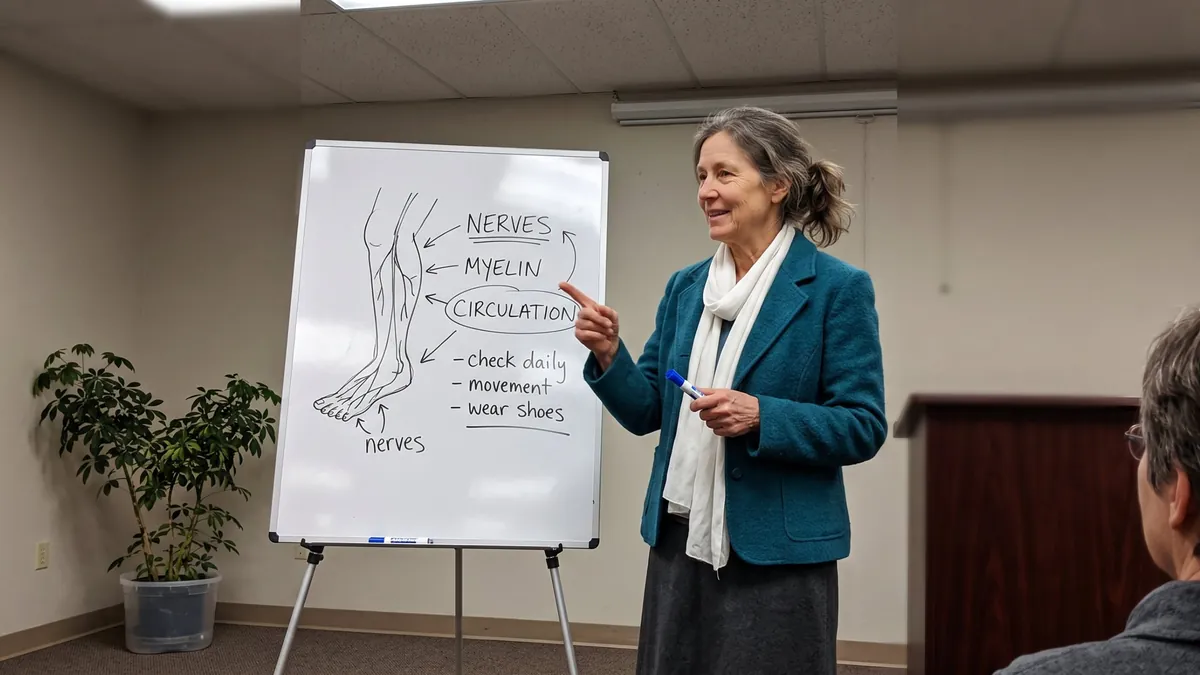
Your nerves carry signals between your brain and the rest of your body, including your feet. Many nerves are wrapped in a protective coating called the myelin sheath — similar to the insulation around an electrical wire — which helps those signals travel quickly and smoothly.
Keeping that system healthy depends on everyday factors like good circulation, regular movement and adequate nutrients. That’s why the goal is to support healthy nerve function and comfort with habits you can actually keep. Paying attention early — noticing how your feet feel in the morning and at night — also makes it easier to share useful details with your doctor.
Habit 2: Avoid Long Stretches Without Movement
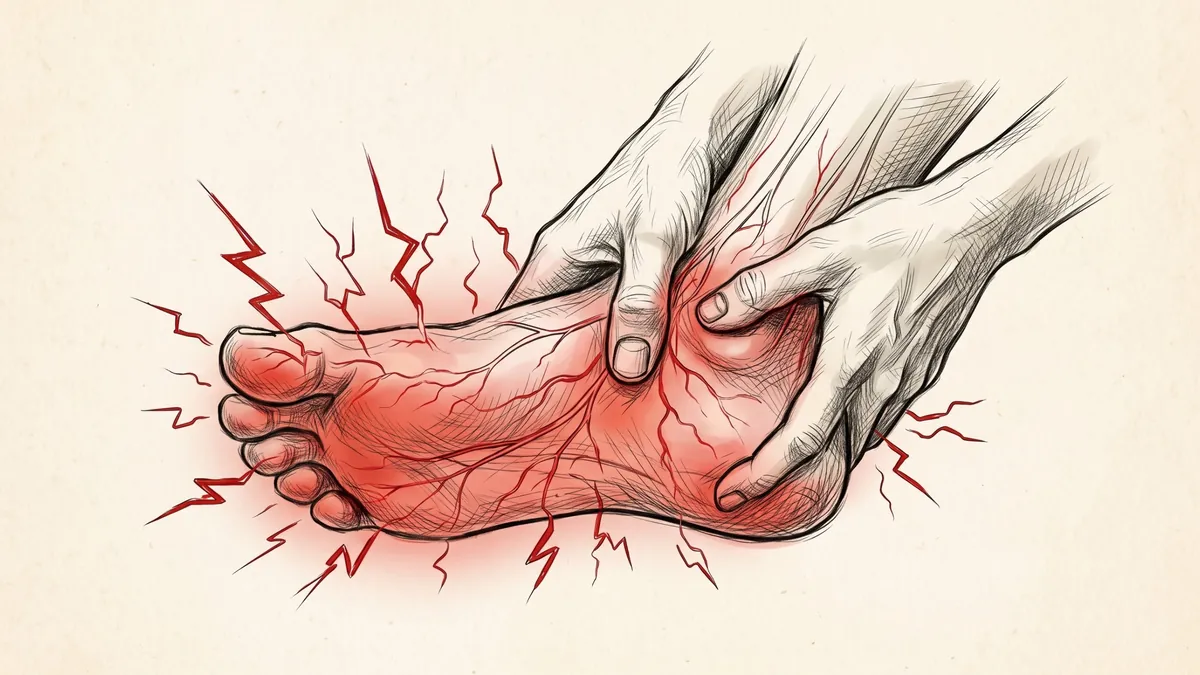
Hours of sitting, tight shoes and cold feet can all leave the lower legs feeling stiff and heavy. Gentle movement helps keep blood flowing to the feet, bringing oxygen and nutrients to the tissues there.
Simple changes add up: standing up every hour, rolling your ankles while you watch TV, choosing comfortable, well-fitting shoes and checking your feet each evening. Even a short walk after dinner or a few calf raises while the kettle boils can make the evening feel different.
Habit 3: Build a Simple Evening Foot Routine
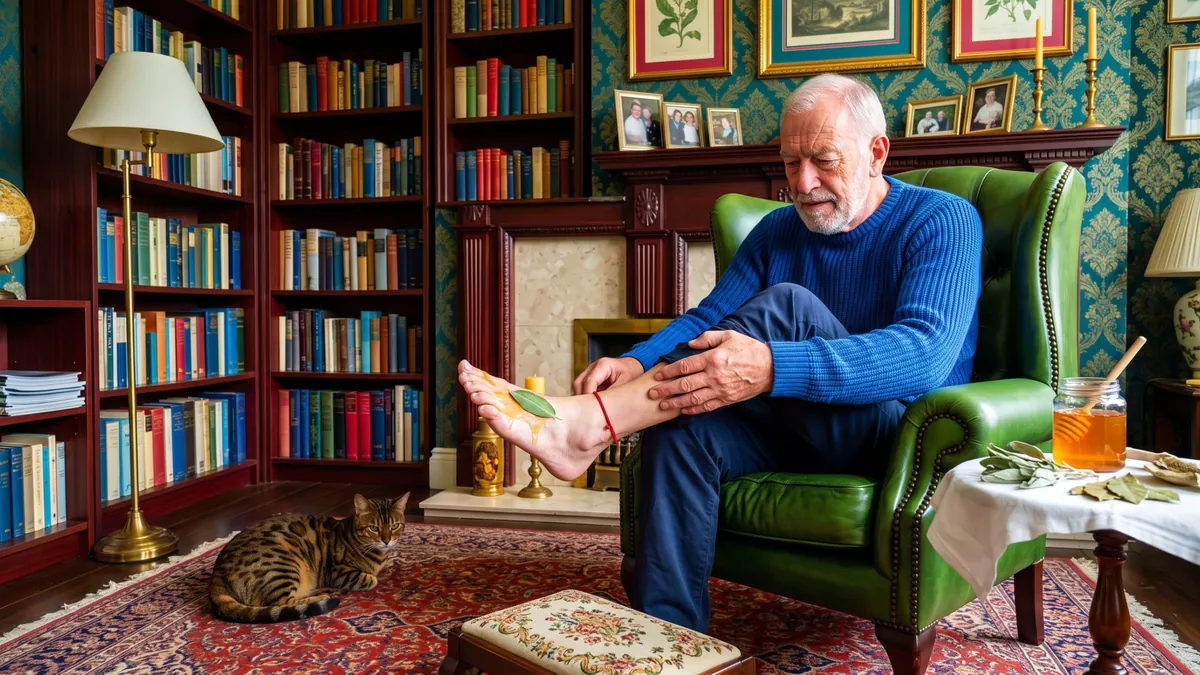
One approach many adults are exploring is a short evening ritual: a few minutes of gentle foot care, keeping the feet warm and comfortable, and paying attention to nutrients that support normal nerve function.
B vitamins such as B12, B6 and folate are involved in normal nerve function, and magnesium contributes to normal nerve and muscle function. Food comes first: eggs, fish, dairy, leafy greens, beans and whole grains all contribute to these everyday needs.
You may also have seen a curious home trend online: people wrapping their feet in ordinary kitchen foil before bed. A detailed report looks at why home tricks like this only address part of the picture, and at the nutrients researchers have studied for healthy nerve function.


More Foot Comfort Ideas to Explore
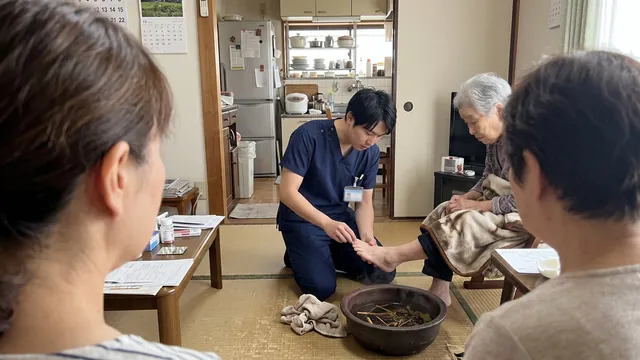
A traditional warm soak with simple dried herbs — a relaxing way to end the day and check on your feet.

An old-fashioned pantry prep with garlic and salt that many home cooks keep on hand.

Ginger, turmeric and warming spices steeped in a jar — a popular kitchen ritual explained in the report.
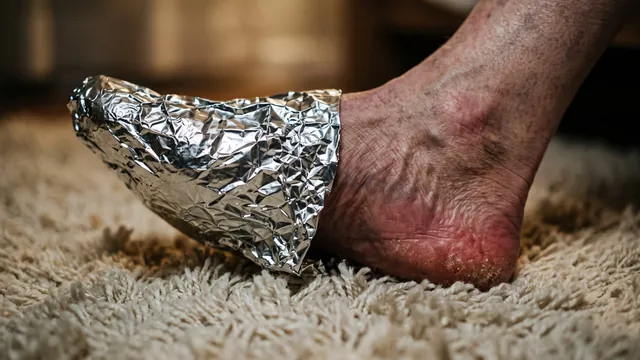
Why some people are trying this unusual home trend — and what the full report says about it.
Who This Is For
Adults over 50 who want practical, everyday habits to support foot comfort and healthy nerve function as part of a balanced lifestyle.
When to Talk to a Professional
New or worsening numbness, pain, weakness or slow-healing wounds, a medical condition or medication: talk to your doctor or a podiatrist.
What Happens When You Click
You’ll see a detailed article about this routine and Quiet Nerves, a dietary supplement. Checkout is processed by BuyGoods, with a 60-day refund policy.
Never wrap feet tightly or for long periods. If you have poor circulation, open sores or any foot concern, check with your doctor before trying a new foot routine.